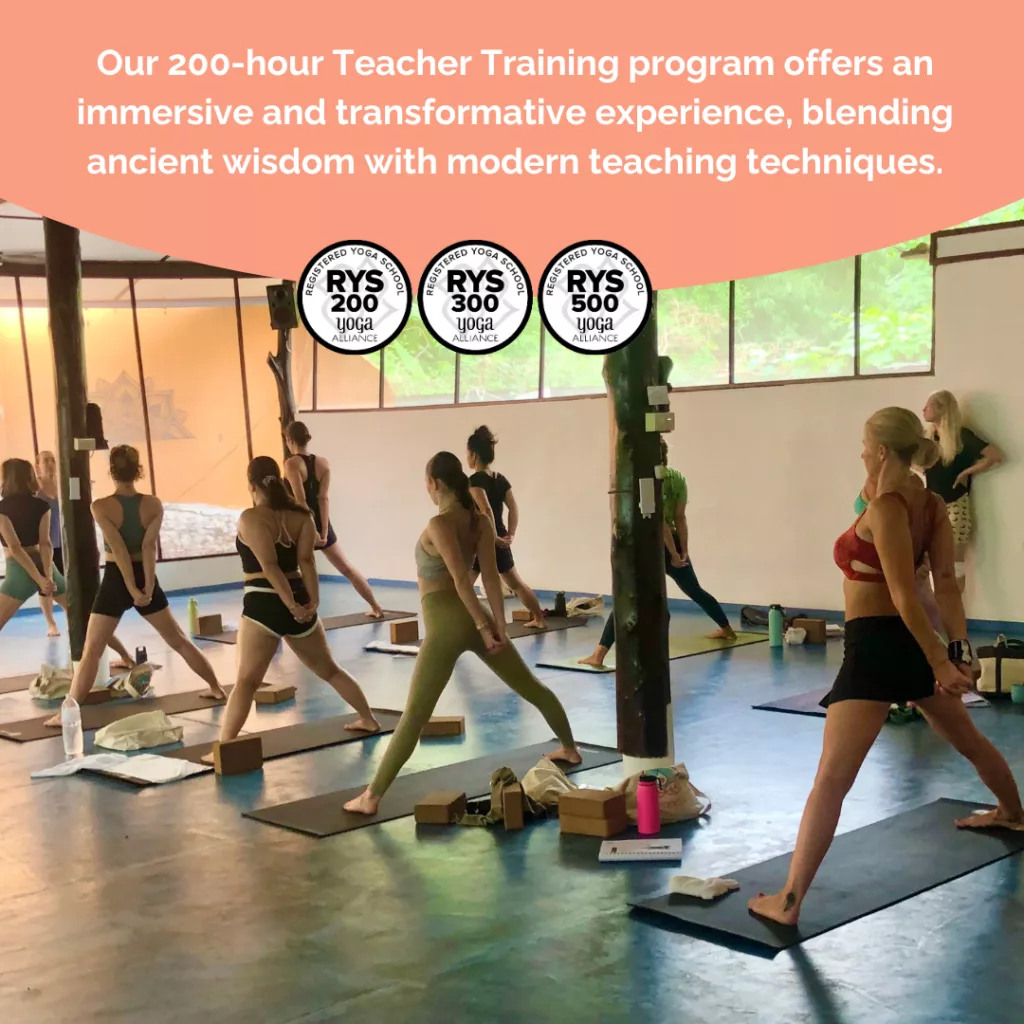
A yoga teacher training program is about more than learning yoga poses. Becoming a skilled yoga teacher requires a deep personal practice, a strong understanding of yoga, and the ability to guide others with confidence and compassion.
This is why yoga teaching clinics are an essential part of yoga teacher training in Thailand. These practical sessions allow trainees to apply what they have learned in a supportive, small-group environment. Through teaching practice, constructive feedback, and observation, students develop the skills needed to become confident and effective yoga teachers.
Your personal yoga practice will continue to evolve throughout your life. Teaching yoga, however, requires additional abilities, including communication, observation, patience, and an understanding of different students’ needs.
From Practising Yoga to Teaching Yoga
Being a dedicated yoga practitioner is an important foundation for teaching, but practising and teaching yoga are two different experiences.
As a practitioner, your attention is primarily on your own body, breath, and movements. As a teacher, you must also focus on the students in front of you.
A comprehensive yoga teacher training program helps you learn how to:
- Communicate yoga instructions clearly.
- Plan and structure a balanced yoga class.
- Guide students through yoga sequences.
- Offer modifications and use props appropriately.
- Demonstrate postures and explain movements.
- Observe students and respond to their individual needs.
- Create a welcoming and supportive environment.
These abilities cannot develop through theory alone. They require consistent practice. Teaching clinics bridge the gap between learning yoga and becoming a yoga teacher.
Why Small-Group Yoga Teaching Clinics Matter
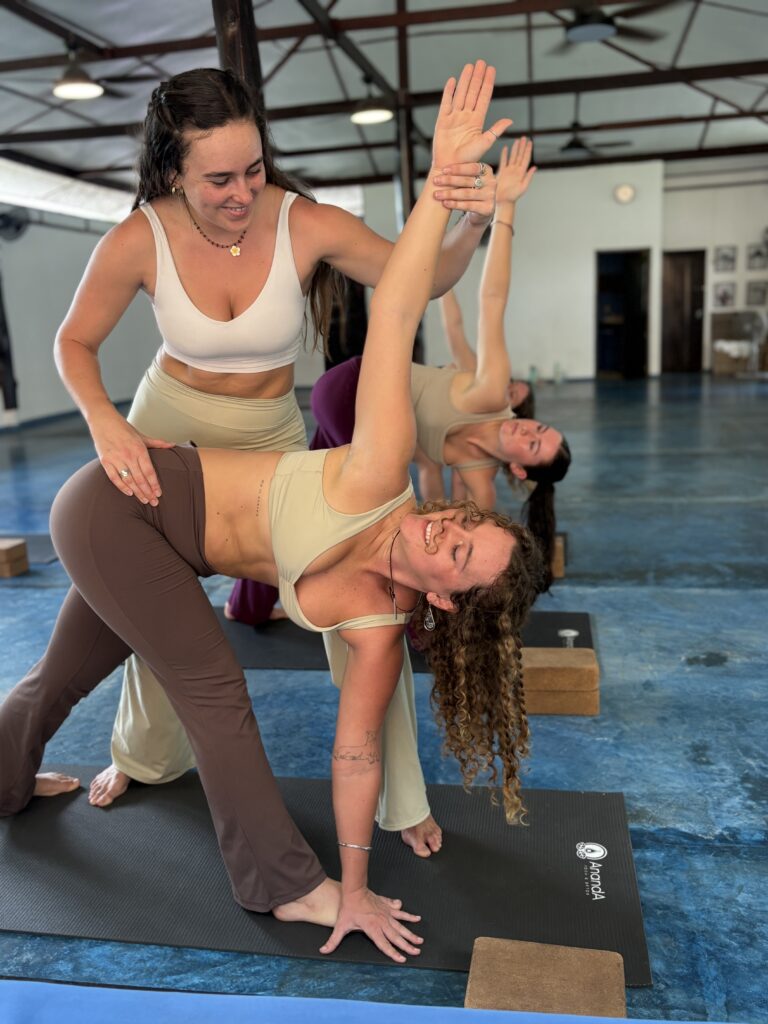
Small-group teaching clinics provide an opportunity to practise teaching without the pressure of leading a large class. They allow trainees to understand how students respond to instructions and how different teaching approaches can improve the learning experience.
Here are five important benefits.
1. Practise in a Supportive Environment
Teaching yoga for the first time can feel intimidating. Small-group clinics create a comfortable environment where trainees can experiment, make mistakes, and improve without fear of judgment.
2. Receive Constructive Feedback
Feedback from instructors and fellow trainees helps improve communication, voice projection, timing, demonstrations, alignment cues, and class structure. It also helps identify areas that need further attention.
3. Learn to Adapt to Different Students
Every student has different physical abilities, flexibility, and experience. Teaching clinics help trainees practise offering modifications, using yoga props, and providing alternatives that make classes more accessible.
4. Build Confidence Through Practice
Confidence comes from experience. Repeated opportunities to teach, receive feedback, and practise again help trainees become more comfortable guiding a yoga class.
5. Develop Your Own Teaching Style
Every yoga teacher has a unique personality and communication style. Clinics encourage trainees to discover their authentic teaching voice rather than simply imitating another instructor.
Teaching clinics are not about becoming a perfect teacher. They are about learning to become attentive, confident, and responsive.
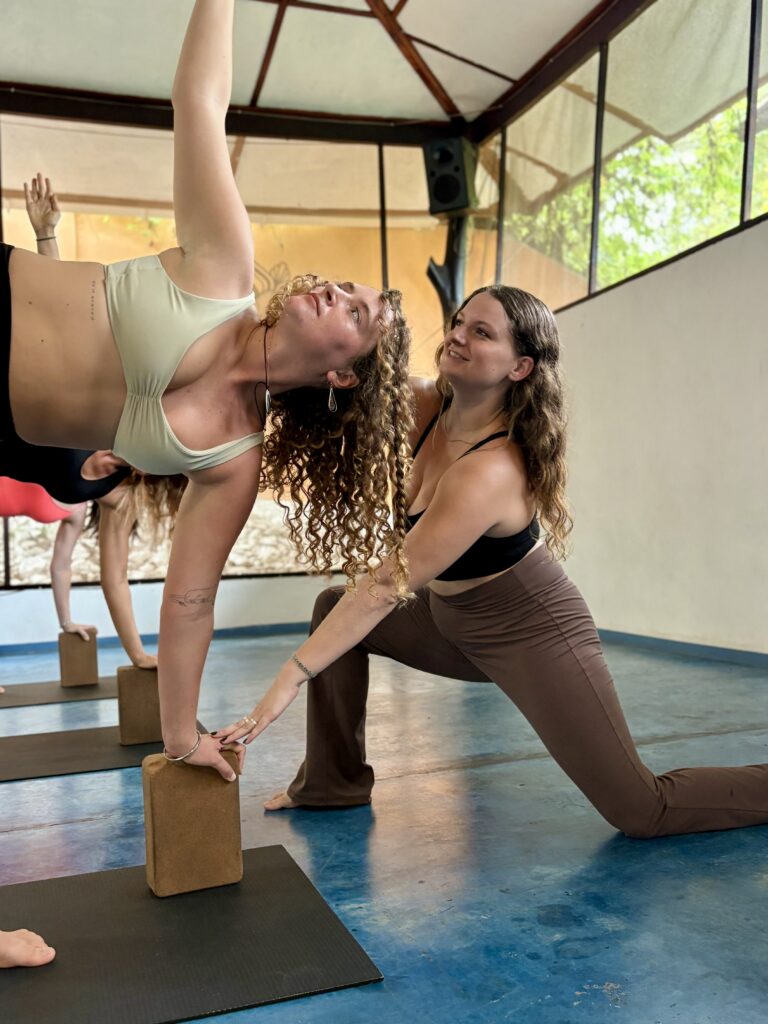
The Art, Philosophy, Science, and Practice of Yoga Teaching
Good yoga teaching combines several important dimensions. A well-rounded yoga teacher training in Thailand should introduce trainees to these areas and help them understand how they work together.
The Art of Yoga: Voice and Communication
Teaching yoga is an art of communication. Your voice, choice of words, timing, and presence influence how students experience a class.
An effective teacher learns to communicate with clarity and warmth while developing an authentic teaching style.
The Philosophy of Yoga: Knowledge and Authenticity
Yoga has deep philosophical and spiritual roots. Understanding yoga philosophy helps teachers appreciate the tradition and share its teachings responsibly.
Authenticity means being honest about your knowledge, respecting yoga’s foundations, and teaching with sincerity.
The Science of Yoga: Alignment and Class Structure
Teachers need practical knowledge of alignment, movement, yoga props, and class sequencing.
The goal is not to make every student perform a posture identically. Instead, teachers should offer thoughtful guidance and modifications that respect different bodies and abilities.
The Performance of Yoga: Demonstration and Presence
Demonstrating yoga postures helps students understand movements more clearly. However, teachers must also know when to observe rather than demonstrate.
Teaching clinics help trainees practise this balance and become comfortable guiding students in a group setting.
Essential Qualities of an Effective Yoga Teacher
Technical knowledge is important, but personal qualities also influence the learning environment.
- A soft heart: Compassion, patience, and kindness help students feel respected and supported.
- A sharp mind: Clear communication, creativity, and curiosity help teachers explain concepts effectively.
- A vibrant body: Energy, enthusiasm, and presence bring warmth to a yoga class.
- A sense of humour: Appropriate humour creates a relaxed and welcoming atmosphere.
- Detachment: Teachers learn to guide students without expecting every class or experience to be perfect.
These qualities develop through continuous learning, self-awareness, and personal practice.
Why Practical Experience Matters in Yoga Teacher Training in Thailand
Thailand is a popular destination for aspiring yoga teachers seeking an immersive learning experience. A yoga teacher training program here can provide an opportunity to deepen your practice, study yoga philosophy, and connect with an international community.
However, choosing the right program involves looking beyond the destination and course curriculum.
Look for a yoga teacher training program that includes:
- Supervised teaching practice.
- Small-group teaching clinics.
- Feedback from experienced instructors.
- Yoga anatomy and alignment studies.
- Class sequencing and communication skills.
- Opportunities to practise teaching different students.
These experiences help transform theoretical knowledge into practical teaching abilities.
Begin Your Yoga Teaching Journey with Anand Yoga Detox
Becoming a yoga teacher is an ongoing journey that requires dedication, practice, and a willingness to learn. Small-group teaching clinics help connect knowledge with experience, preparing you to guide others with greater clarity, confidence, and compassion.
If you are ready to deepen your personal practice and develop your teaching skills, explore the 200-Hour Vinyasa Yoga Teacher Training in Thailand at Anand Yoga Detox.
Discover an opportunity to immerse yourself in Vinyasa yoga, expand your understanding of yoga, and take the next step towards becoming a confident yoga teacher.
Explore the course here:
200-Hour Vinyasa Yoga Teacher Training in Thailand – Anand Yoga Detox
Start your journey towards sharing yoga with confidence, authenticity, and compassion.