Have gone through multiple detoxes, tried different protocols or tried water fasting? After a cleanse, did you feel ecstatic for a while but then you felt toxins building up and going back to the same symptoms or issues that made you want to detox in the first place?
In this blog post we are going to uncover what is the most optimal diet that you can follow after you detoxify your body in order to maintain amazing health and vitality.
Every species on the planet seems to have a well-established natural diet. Every eagle eats the same diet. Every lion catches their prey and eats it. They don’t get to decide. But when it comes to humans, we are very confused: from vegan to carnivore, from paleo to raw, from keto to fruitarian etc. You name it. There’s so much controversy of what the natural diet looks like for humans. Let’s look in detail at our physiology and anatomy that unveils what our optimal food is.
We share 99% of our DNA with chimpanzees and bonobos.
When you look at the digestive physiology and anatomy it becomes very clear the human body is NOT made to consume animal products especially when comparing it to the ones of carnivores.
Eyesight
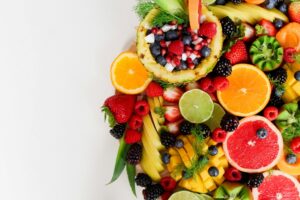
Fruits match our anatomy and physiology. We see vivid colors allowing us to spot colorful fruits in green leaves. Carnivores and omnivores have a limited color range. Human sight is anatomically designed to be attracted to the bright, pleasing colors of ripe fruit.
Touch
We have long slender fingers with a delicate sense of touch to reach into trees and bushes and find the delicate fruits and pluck them from the tree.
Smell
We have a weak sense of smell because fruits have strong, pungent, pleasing aromas when they are ripe. We do not need to have a strong sense of smell. Conversely, carnivores and omnivores have a strong sense of smell because prey foods do not have strong smells. Humans can only smell rotting carcasses and their smell is repulsive to us.
Animals in nature do not cook their food. Humans are the only species doing so.
Most of the substances found in fruit are essential constituents of human food. The two qualities that render fruits especially wholesome, and cause us to crave them for their taste, is juiciness and flavor. The juice is mainly water, but it comes in a grateful and refreshing form. The flavor is due to the presence of certain organic acids, together with certain volatile oils and ethers. When taken into the body they undergo oxidation, which process tend to lower the temperature of the blood, thus correcting any slight tendency towards a feverish condition which often exists. They also tend to keep the organs of secretion in healthy condition.

Always craving sweet after a meal? Here’s why.
Humans have a “sweet tooth”. Our taste buds are tuned to allow us to sense when our natural food is ripe and ready to be eaten. Our senses also warn us of poisons. Bitter tells us that the fruit is unripe or the food is toxic. Sour tells us the fruit is overripe and no longer suitable – rotten food is sour. Fruits contain a little bit of salty flavor, but overly salty foods burn and cause discomfort to our senses. Spicy plants burn our tongues. They also make us sweat and our noses run to warn us that they are toxic. But sweet tastes tell us that our natural food is perfectly ripe and ready to provide us with the essential sugars our body needs to run every cell.
We crave sugary desserts after heavy meals because our cells are desperately seeking energy. Sugar is energy. When we properly feed our bodies on fruits those intense cravings for ice cream, cakes, and cookies disappear.
These are just a few of the anatomical features that humans have based upon our natural diet of juicy, water-rich, easy-to-digest, sugar-filled fruits!