Starting yoga after 55 can feel exciting, but it can also bring questions.
Am I flexible enough?
Will I be able to keep up with the class?
What if I have stiff joints or balance concerns?
The good news is that yoga does not require you to be young, naturally flexible or experienced. Yoga after 55 can be gentle, supportive and adaptable, allowing you to explore movement, breathing, relaxation and mindfulness at your own pace.
You may have practised yoga years ago and want to return, or you may be completely new to it. Either way, your practice can begin exactly where you are today.
At our yoga retreat in Koh Phangan, our beginner-friendly classes welcome people with different levels of experience, mobility and confidence.
Is Yoga Suitable After 55?
Yoga can be adapted for different ages and abilities.
As we get older, our bodies naturally change. You may notice that your balance is different, your joints feel stiffer or you need more time to recover after physical activity.
These changes do not necessarily mean that you need to stop moving. They may simply mean that your approach to movement needs to change too.
Yoga can provide an opportunity to explore:
- Gentle mobility
- Strength and stability
- Balance
- Body awareness
- Breathing practices
- Relaxation
- Mindful movement
- Rest and recovery
The important thing is to find an appropriate level of practice rather than trying to force your body into an advanced pose.
Yoga Is Not a Competition
Yoga is often presented through photographs of advanced postures, flexible bodies and challenging balances.
But yoga does not have to look like that.
You do not need to touch your toes, stand on your head or perform complicated poses to practise yoga.
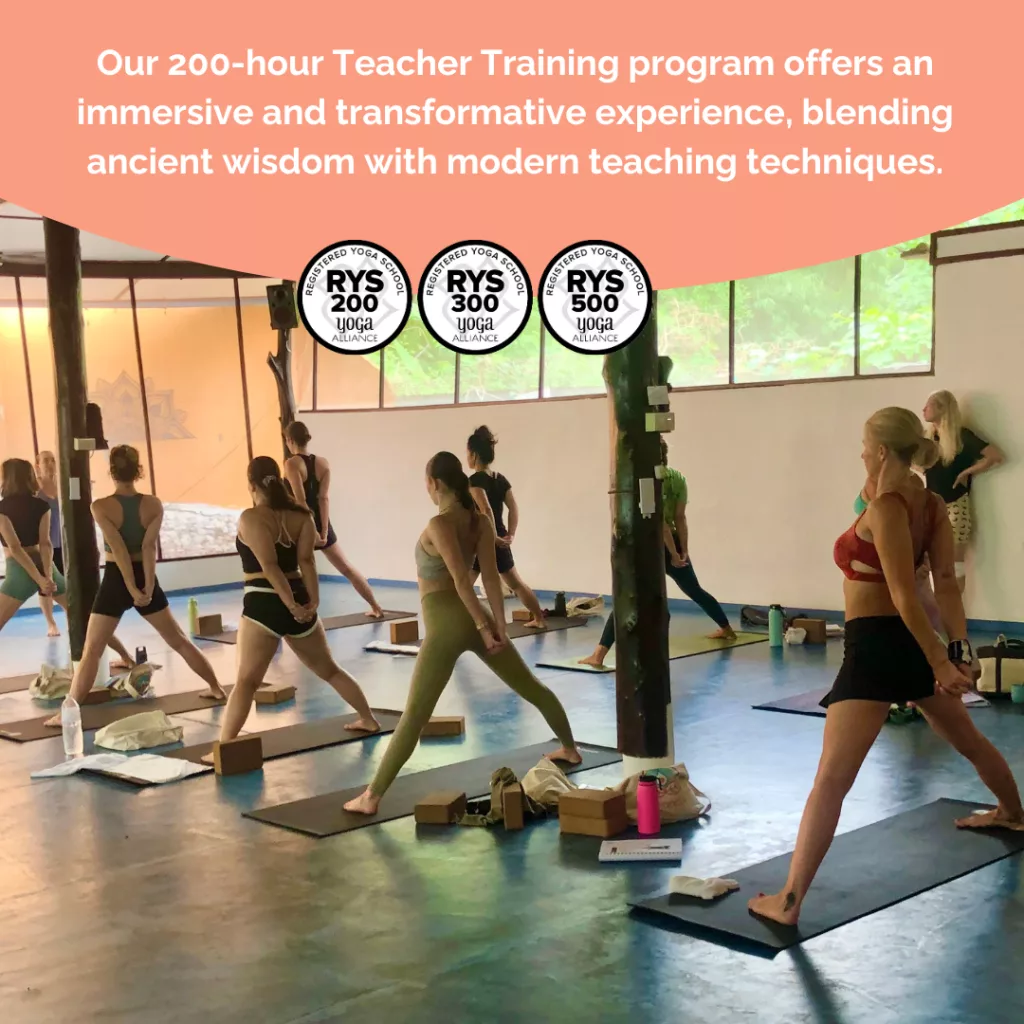
A beginner yoga class may include simple standing movements, gentle stretches, breathing exercises, relaxation and meditation.
You can rest whenever you need to. You can take a simpler variation. You can use a prop.
The practice is about developing awareness—not competing with the person next to you.
Beginner Yoga After 55
If you are new to yoga, starting with a beginner-friendly class can make the experience much more comfortable.
A suitable beginner class may introduce you to:
- Basic standing yoga poses
- Gentle movements for the spine
- Simple balance exercises
- Comfortable stretches
- Breathing techniques
- Relaxation
- Meditation
You do not need to know the Sanskrit names of yoga poses before attending.
A good teacher will explain the movements, demonstrate options and help you understand how to adapt a pose when necessary.
Yoga for Stiff Joints and Changing Bodies
Stiffness can become more noticeable with age, particularly after periods of inactivity.
Rather than forcing a joint into a deeper range of movement, yoga encourages you to explore movement gradually and with awareness.
You might practise smaller movements, spend less time in a particular position or use props for additional support.
The goal is not to make your body look like it did decades ago.
It is to develop a better relationship with the body you have today.
Balance and Stability
Balance can be an important part of a yoga practice as we get older.
Standing yoga poses can provide opportunities to explore stability and body awareness.
However, you do not need to practise challenging balances without support.
A wall, chair or other stable surface can provide additional confidence while you explore standing postures.
Your teacher can also offer alternative versions of a pose if balance is difficult.
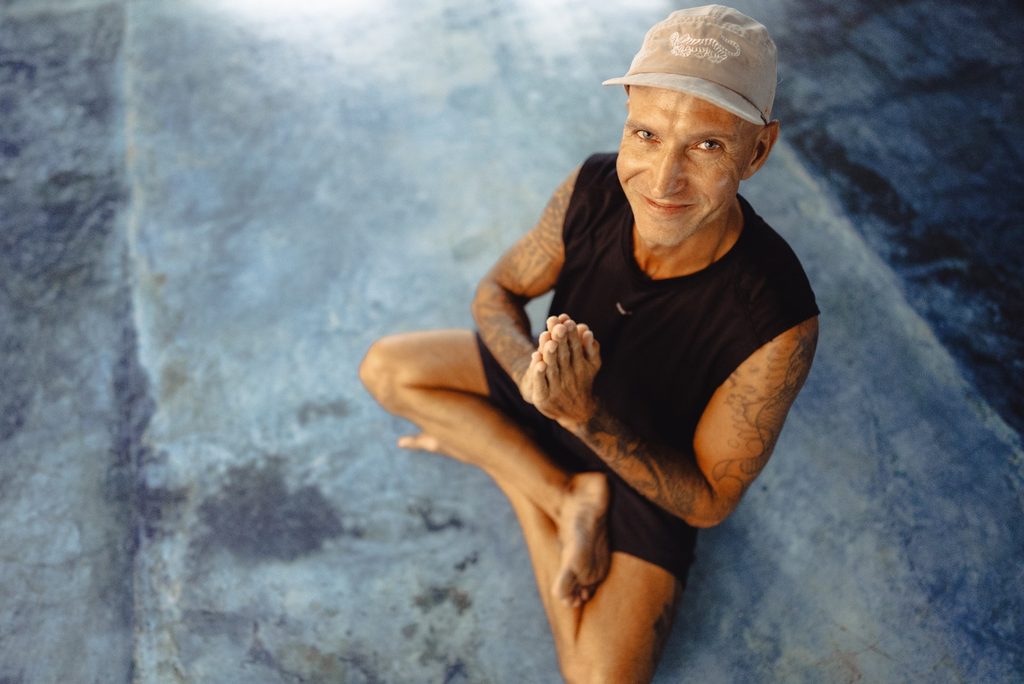
Yoga Props Are There to Support You
Yoga props are a normal part of our teaching.
Depending on the class, you may use:
- Yoga blocks
- Bolsters
- Blankets
- Straps
- Cushions
- Walls or other forms of support
A block can bring the floor closer. A bolster can support you during a resting or Yin Yoga pose. A blanket can provide warmth and cushioning during relaxation.
Using a prop does not mean you are less advanced.
It simply means you are using the available tools to make your practice more comfortable and appropriate for your body.
Yin Yoga After 55
If you are looking for a slower and quieter style of yoga, Yin Yoga may be an interesting practice to explore.
Yin generally involves holding poses for longer periods while using props to support the body.
The emphasis is on stillness, awareness and finding an appropriate level of sensation rather than pushing into the deepest possible stretch.
A Yin Yoga session may give you time to:
- Slow down
- Release physical tension
- Explore gentle mobility
- Practise stillness
- Focus on your breathing
- Step away from a busy routine
You should never feel that you have to force yourself into a deep stretch. A teacher can help you find a suitable variation and use props for support.
Sound Healing and Deep Rest
Yoga does not always have to involve physical movement.
Sound healing can offer another way to relax and create space for rest.
During a sound healing session, you may sit or lie comfortably while listening to instruments such as singing bowls, gongs and chimes.
There is no need to stretch, balance or perform yoga poses.
Instead, you can simply settle into a comfortable position and listen.
Blankets, bolsters and other props can help you create a supportive position. If lying on the floor is uncomfortable, ask your teacher about alternative positions.
Can Yoga Help With Flexibility?
Flexibility is one reason many people start yoga, but it is not the only reason to practise.
A suitable yoga practice may help you explore mobility, strength, balance, posture and body awareness.
It can also provide time for relaxation and mindful breathing.
You do not need to be flexible before beginning yoga.
In fact, beginner yoga after 55 can be an opportunity to gradually explore movement without making flexibility the main goal.
Yoga Can Be Adapted to Your Body
One of the most useful things about yoga is that many poses can be modified.
You might practise:
- Sitting in a chair
- Standing near a wall
- Using blocks or bolsters
- With your hands on support
- On a yoga mat
- With a shorter range of movement
- With more rest between poses
There is no requirement to perform every movement exactly as demonstrated.
Your teacher can help you explore different options so you can choose what feels appropriate.
Yoga, Rest and Everyday Wellbeing
Yoga is not simply a physical activity.
A yoga practice can also create time to slow down and pay attention to how you are breathing, moving and feeling.
For some people, this quiet time becomes an important part of their routine.
Yoga may complement other healthy lifestyle habits such as regular physical activity, adequate rest, nutritious food and social connection.
It is important to remember that yoga is not a replacement for medical treatment. If you have a medical condition or concerns about starting a new physical activity programme, speak with an appropriate healthcare professional first.
Yoga Retreats After 55
A yoga retreat can provide a different environment from your normal weekly routine.
Instead of rushing from one responsibility to another, you can create space for movement, rest, nature and reflection.
At our yoga retreat in Koh Phangan, Thailand, you can explore different classes and practices throughout your stay.
You might start your morning with a gentle yoga class, spend time enjoying the surroundings, try Yin Yoga later in the day and finish with a relaxing sound healing session.
You do not have to attend every class.
Your retreat can be shaped around your energy, interests and comfort.
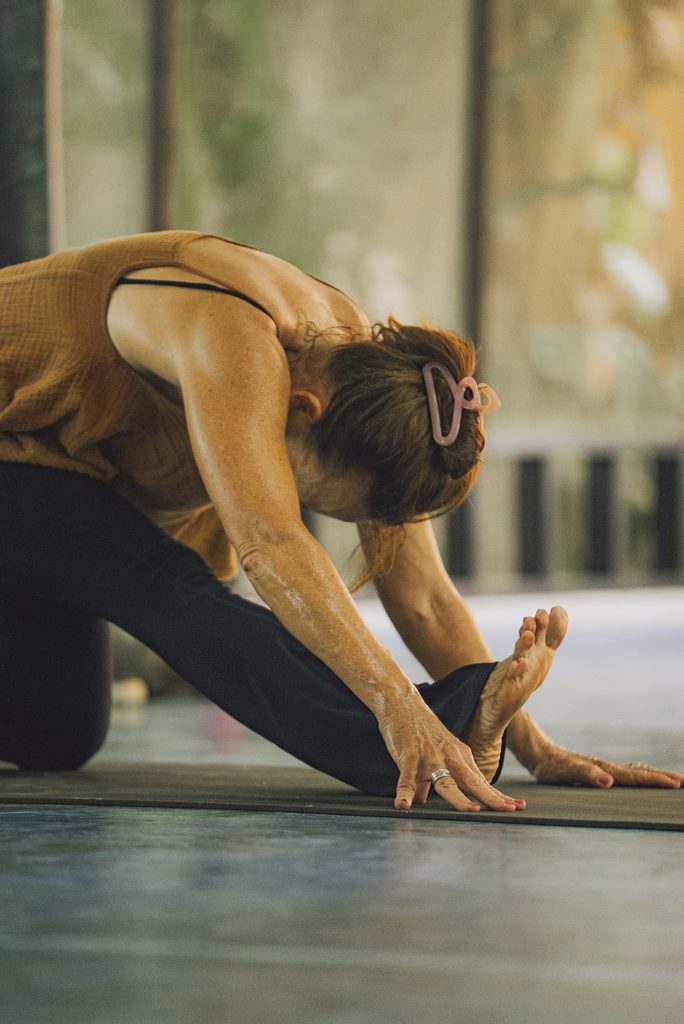
What to Tell Your Yoga Teacher
Before a class, let your teacher know about any injuries, physical limitations or movements that you are concerned about.
This gives your teacher an opportunity to suggest appropriate modifications.
If you have recently had surgery, experience significant pain or have a medical condition that affects your movement or balance, speak with your doctor or physiotherapist before starting a new exercise programme.
Good communication helps create a safer and more comfortable practice.
You Are Never Too Old to Start Yoga
Starting yoga after 55 does not mean you need to become more flexible, master difficult poses or keep up with younger practitioners.
It can simply mean giving yourself time to move, breathe and rest.
You can practise gently.
You can use props.
You can take breaks.
You can modify poses.
And you can progress at your own pace.
Whether you are completely new to yoga or returning after many years, there is no perfect age or perfect level of flexibility required to begin.
Come as you are.
Bring your curiosity, your questions and your changing body. We will provide the guidance, supportive props and space to help you explore your practice.