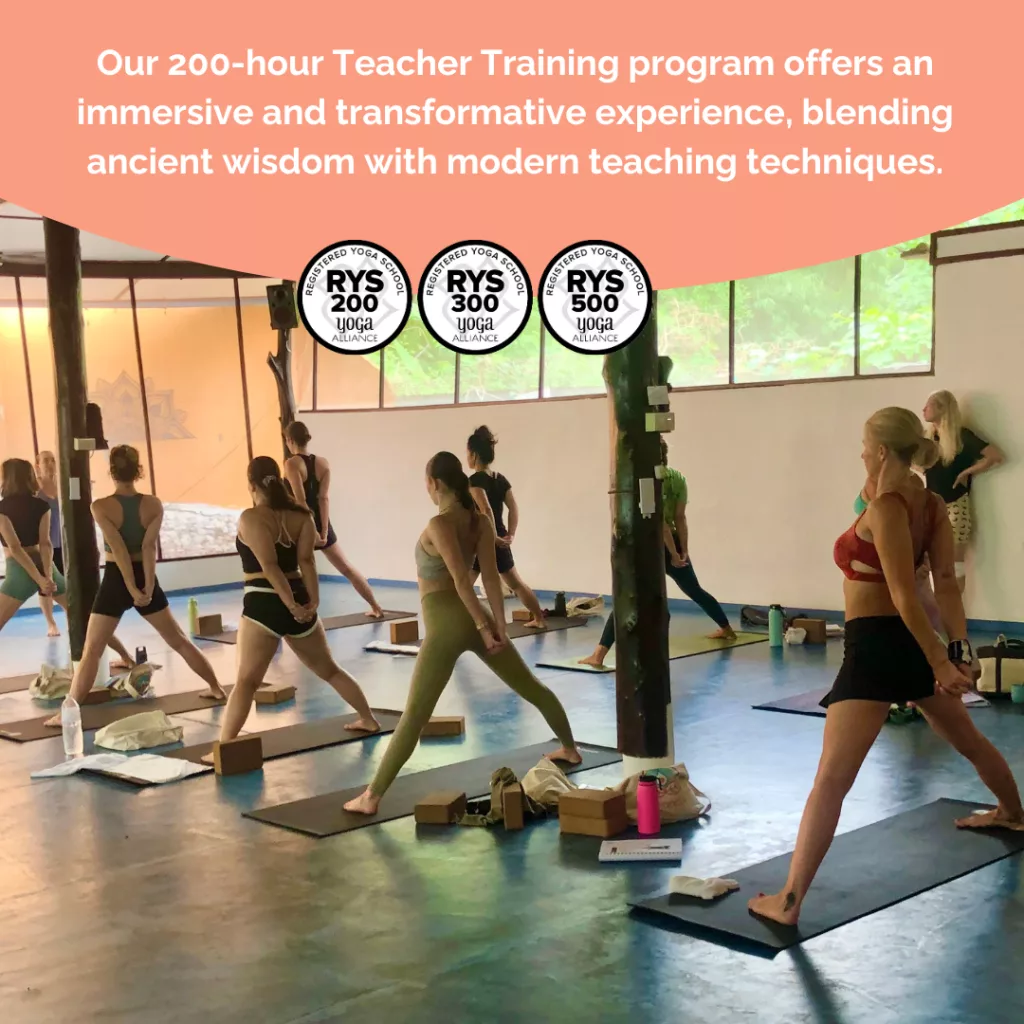
Here in Thailand, April is our hottest month — and at Ananda we always offer morning practices that make you sweat. Sweat can feel purifying and powerful, but in tropical heat it can also be depleting. Who benefits most, and what are the real advantages and risks? As contemporary teachers we honor traditional teachings about tapas while balancing them with science-based care so your practice is both transformative and safe.
Traditional perspectives (what we honour)
Tapas and purification: Heat as inner discipline — sweating seen as an outward sign of purification and effort.
Individualized practice (prakriti): Practice should fit the person; discernment and moderation are virtues.
Subtle energy shift: Some lineages interpret physical heat as sign of pranic movement or energetic transformation.
Discipline over comfort: Effort and regular practice are valued as means to spiritual progress.
Contemporary perspectives (what science tells us)
Thermoregulation first: Sweat cools the body; heat + humidity increase fluid and electrolyte loss and risk of heat stress.
Detox myth clarified: Sweat is mostly water and salts; liver and kidneys perform primary detoxification.
Short-term mobility gains: Warmth can increase flexibility temporarily and raise heart rate for cardio benefits.
Risks and contraindications: Unmanaged heat exposure can cause dizziness, fainting, electrolyte imbalance; some people (pregnant, cardiac conditions) should avoid heavy heat.
Individual variability: Sweating rate varies widely; sweat ≠ better practice.
How we balance both at Ananda
Intentional use of heat: We apply heat to support mobility and energy, not as a default measure of value.
Prioritise breath and internal cues: Breath, alignment and felt presence are the primary metrics of practice.
Safety-first adaptations: Modifications, pacing, hydration guidance and recovery protocols are integral.
Respect lineage with modern prudence: We honour tapas while using contemporary knowledge to keep practice sustainable.
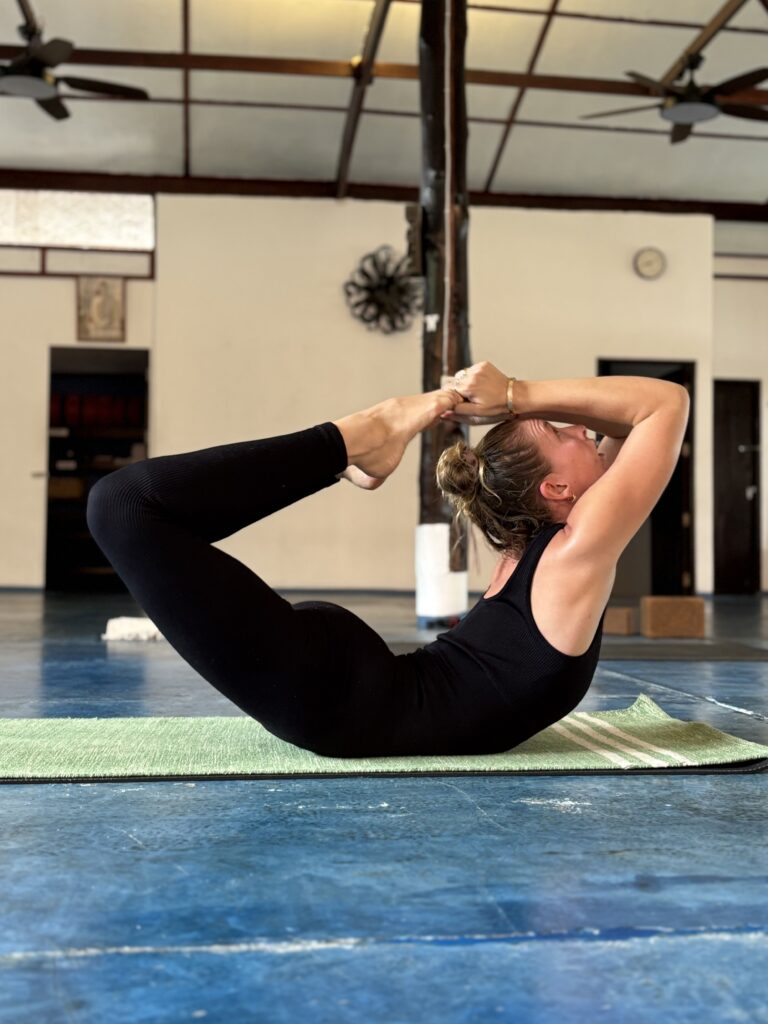
Practical tips for practicing in tropical heat
Hydrate smart: Begin hydrating the day before; sip during class and rehydrate with electrolytes after long sessions.
Modify wisely: Shorten holds, step back from peaks, or shift intensity if you feel lightheaded.
Time it: Early morning or late afternoon tends to be cooler and gentler.
Acclimatise gradually: Build tolerance over several sessions.
Post-practice care: Cool restorative poses, rehydration, and a shaded rest or cool cloth in savasana.
Know contraindications: Pregnant students, those with heart conditions, or anyone heat-sensitive should consult teachers/clinicians.
Closing
Sweating can be a meaningful, embodied expression of tapas — powerful when paired with care. At Ananda we blend traditional reverence with contemporary safety so your practice is potent, nourishing and sustainable, even in April’s heat.
Summer offer
Enjoy 20% off all programs during the summer months — your reset starts here.