Chronic low-level stress keeps the sympathetic nervous system activated — screens, deadlines, constant hurry. A focused yoga retreat in Thailand provides the time, structure, and evidence-based practices needed to downregulate the nervous system: reduce hyperarousal, restore parasympathetic balance, improve sleep, and strengthen emotional resilience. Our retreats combine a range of yoga styles, guided pranayama and breathwork, daily Restorative practices such as yin, nidra, and sound healing, daily recovery options (steam room, ice bath, saltwater pool, Thai massage), plus nourishing meals served at a beachside restaurant with live, calming music — all designed to slow your nervous system and return you home more capable and composed.
Why a yoga retreat resets the nervous system
- Extended, uninterrupted time away from daily stressors to allow physiological downshifting.
- Predictable rhythm and a self‑paced schedule that reduces decision fatigue and allows the nervous system to settle.
- Restorative, somatic, and breath‑based practices (Flow Yoga forms, Yin, Yoga Nidra) that engage the vagus nerve and deepen parasympathetic tone.
- Nature immersion — ocean air, natural light, and gentle sensory input — that supports autonomic rebalancing.
- Curated live or recorded music by the sea to enhance safety, relaxation, and emotional regulation.
What to look for in a nervous‑system‑focused yoga retreat in Thailand
- Trauma‑aware instructors who offer nervous‑system‑informed cues and choices.
- A self‑paced format so you design each day according to your energy and need.
- Clear options for different levels — from slow, restorative practices to demanding, strength‑building classes.
- Beachfront lodging, soft evening lighting, and a calm beachside restaurant with soothing music.
- Practical post‑retreat integration guidance: short, realistic practices to sustain benefits at home.
Recovery features that amplify the reset
- Hot and cold therapy (steam room + ice bath): supports circulation, reduces inflammation, and aids recovery when supervised.
- Daily Thai massage: promotes tissue release, parasympathetic activation, and deeper rest.
- Gentle movement, ocean swims, and beach walks: embodied practices that reinforce calm and presence.
- Evening music and sunsets: predictable sensory cues that prime relaxation and sleep.
- Teaching intent — practical tools you can carry home
- Every class and workshop emphasizes usable tools you’ll apply immediately and long term: 5–10 minute breath protocols for rapid downregulation, brief restorative sequences to unwind tension, targeted strengthening practices to rebuild resilience, and guided meditations that improve sleep. The intent is authoritative and practical: provide measurable relief during the retreat and a sustainable toolkit so you can continue a lifelong yoga practice informed by Ananda‑style alignment and breath awareness.
Daily Sample Schedule (self‑paced — choose what fits your energy)
7:45 – 8:30 AM — Meditation & Pranayama (guided breathwork)
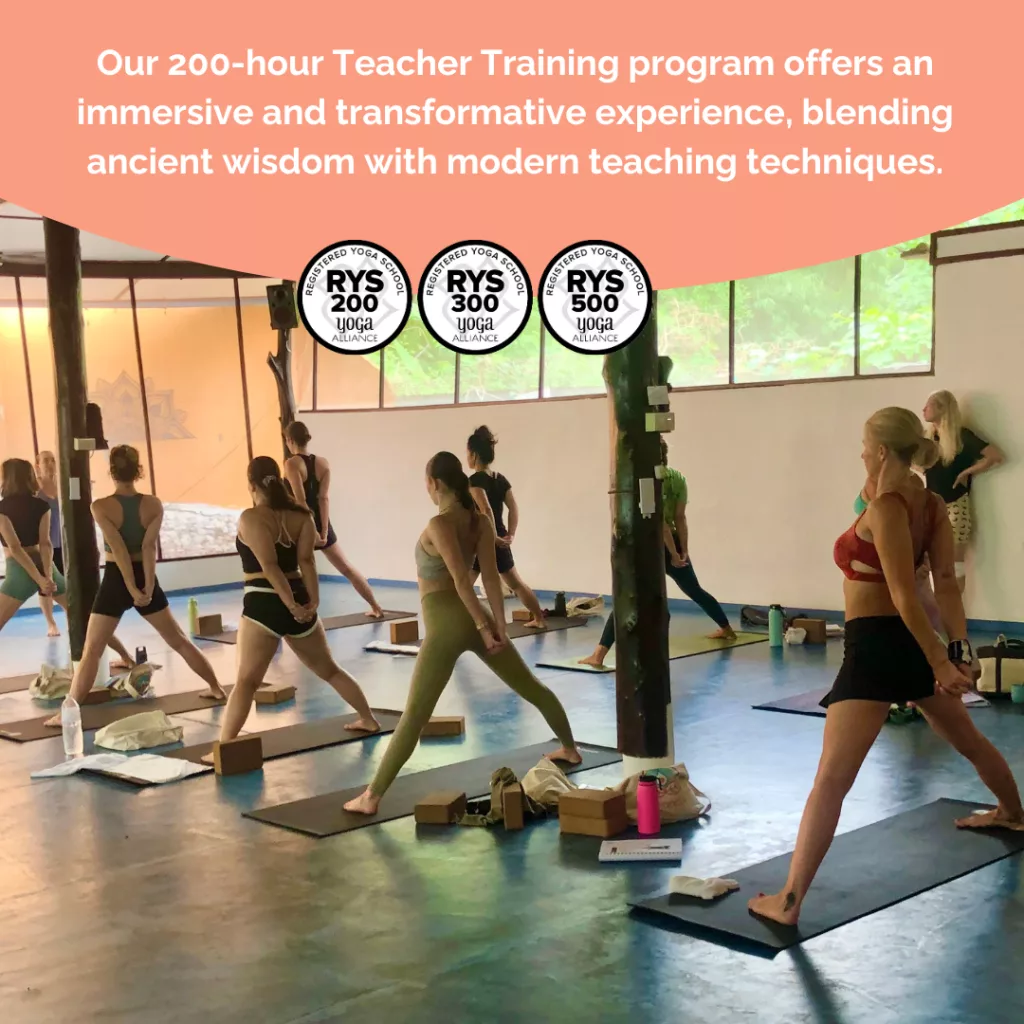
9:30 – 10:45 AM — Yoga Basics or Dynamic Vinyasa (beginners + mixed level)
10:45 AM — Breakfast on the beach (nourishing, leisurely meal)
12:00 PM — Mini‑workshops (rotating topics to deepen practice)
- Open Afternoons — daily Thai massage, ocean‑view lunch at the beachside restaurant, herbal steam room, saltwater pool, ice bath; free time for beach walks, naps, or journaling
3:00 – 4:15 PM — Mixed‑Level Vinyasa (options for strength & mobility)
4:30 – 5:45 PM — Yin & Restorative Yoga (deep release and nervous‑system repair)
6:00 – 6:45 PM — Sunset Power Aerial Yoga (optional energizing practice)
6:00 – 7:30 PM — Sunset Dinner on the Beach with Live Music
7:30 – 9:00 PM — Evening Sessions: Reflective Writing, Healing Sounds, and Gentle Group Practices
Benefits you can expect
- Faster sleep onset and deeper restorative sleep.
- Reduced anxiety, rumination, and muscular tension.
- Improved mood, focus, and emotional regulation.
- Greater body awareness and reduced chronic pain from tension patterns.
- Practical, short routines to sustain calm after you return home.
Who should check with a provider – If you have complex medical conditions or are on psychiatric medication, consult your healthcare provider before attending.